

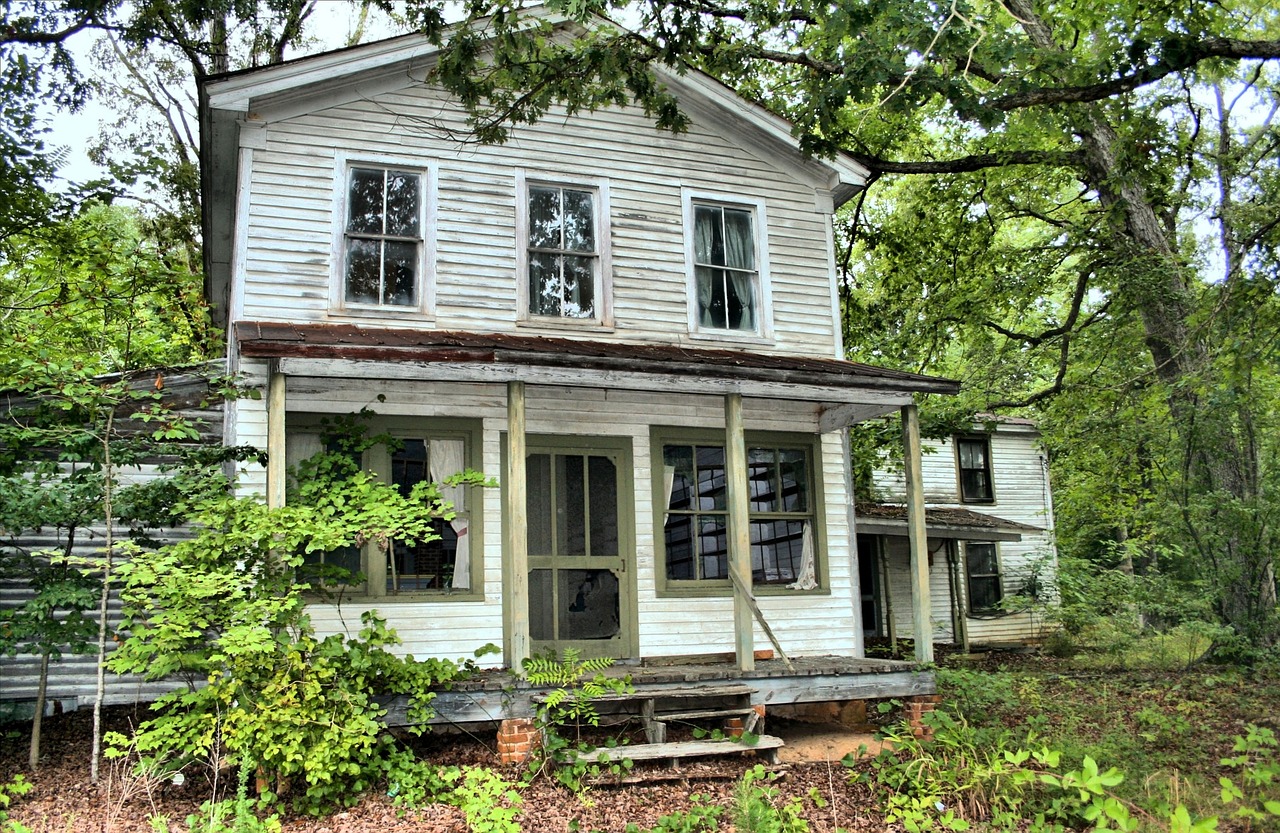

At first glance, keeping a vacant property might seem harmless. Maybe you’ve inherited a house, moved out but haven’t sold yet, or own a rental that’s sitting empty. On the surface, it feels like holding on doesn’t cost you much. But the truth? Vacant properties can quietly drain your wallet in ways most homeowners never expect.
Let’s explore the hidden costs of owning a vacant property and why selling sooner rather than later often makes the most financial sense.
Why Vacant Properties Seem Cheaper Than They Are
Many homeowners assume that once no one’s living in the house, expenses will naturally go down. No electricity, no water, no major upkeep ………right?
Unfortunately, that’s a dangerous misconception.
In reality, a vacant property racks up fixed costs, unexpected repairs, and major risks. These costs can add up to thousands of dollars per year.
Property Taxes
Local governments don’t care if your property is occupied or empty — taxes are still due. Depending on where the home is located, property taxes can cost $2,000 to $10,000+ annually.
If you delay selling, those taxes keep piling up. Worse, unpaid taxes can lead to tax liens and eventually foreclosure.
Rising Insurance Premiums for Vacant Homes
Standard homeowner’s insurance doesn’t cover long-term vacancies. Once a house sits empty, insurers classify it as “high risk.”
- Policies often cost 50–60% more than regular coverage.
- Some insurers won’t even renew policies on vacant homes.
- Without proper coverage, you could be stuck paying out of pocket for vandalism, storm damage, or fires.
Maintenance and Repairs
An empty house still ages. Roofs leak, lawns grow wild, pests invade, and small issues quickly turn into costly disasters.
- Landscaping fines can reach hundreds per violation.
- A neglected leak can cause mold damage costing thousands.
- Deferred maintenance lowers the resale value dramatically.
Utilities and Basic Services
Even if no one’s living there, you may still need to keep certain utilities on:
- Electricity to prevent mold and maintain security systems.
- Water to avoid dry pipes and plumbing issues.
- Trash services to comply with city codes.
These “minimal” expenses still add up over months of vacancy.
Security Risks: Vandalism, Theft, and Squatters
Vacant homes are magnets for trouble:
- Thieves strip copper pipes, appliances, and fixtures.
- Vandals break windows, spray graffiti, or damage doors.
- Squatters can move in and create legal nightmares that cost thousands to resolve.
Even if you invest in security cameras or boarding up windows, that’s another added cost.
City Code Violations and Fines
Most cities enforce property standards. Vacant homes that fall into disrepair may trigger violations like:
- Overgrown grass
- Broken windows
- Peeling paint
- Structural issues
Fines can snowball quickly, sometimes reaching hundreds or thousands per month until the issues are resolved.
Legal Liability: Who’s Responsible if Someone Gets Hurt?
If a trespasser or even a curious kid gets injured on your vacant property, you could be held legally responsible. Without proper insurance (which is already expensive for vacant homes), lawsuits can devastate your finances.
Declining Property Value Over Time
The longer a house sits empty, the faster it loses value. Deferred maintenance, vandalism, and neighborhood perception all contribute. An outdated or neglected property is far less attractive to buyers, which means you may get lower offers later.
Emotional Stress and Opportunity Costs
Beyond money, vacant homes create mental strain.
Homeowners often feel:
- Anxiety about break-ins or damage.
- Guilt about paying for something they don’t use.
- Frustration at dealing with city notices, bills, or upkeep.
Plus, every dollar tied up in an empty house is money you could be investing elsewhere.
Case Study: How One Homeowner Lost Thousands on a Vacant Property
Take Marcy, who inherited her father’s home. She thought she’d “just hang onto it” for a while.
Within two years:
- Marcy paid $7,200 in property taxes.
- Her insurance jumped to $3,000 per year.
- Vandals caused $5,000 in damage.
- Code violations added another $1,500 in fines.
By the time Marcy decided to sell, the house’s condition had worsened, cutting her final offer by $15,000.
In total, holding onto the property cost Marcy nearly $30,000 she could have saved by selling quickly.
The Smarter Solution: Selling a Vacant Property Quickly

The good news? You don’t have to keep bleeding money. Selling your vacant home can turn a financial burden into fast cash.
When Selling As-Is Makes Sense
- You avoid repair costs.
- You save on ongoing taxes and insurance.
- You stop worrying about maintenance or security.
Why Investors Are Often the Best Buyers for Vacant Homes
- Investors buy as-is, no repairs needed.
- They can close in days, not months.
- You avoid realtor commissions and months of waiting.
FAQs About Vacant Properties
1. How long can a house legally stay vacant?
It varies by city, but many municipalities have ordinances that penalize long-term vacancies.
2. Do vacant homes need special insurance?
Yes. Most insurers require a vacant home policy, which is more expensive but covers risks like vandalism.
3. Can squatters gain legal rights to my vacant property?
In some states, long-term squatters can claim adverse possession, making it costly and time-consuming to remove them.
4. What’s the fastest way to sell a vacant house?
Cash buyers and investors are usually the quickest solution, often closing in 7–14 days.
5. Are vacant properties harder to sell through an agent?
Yes, because buyers may worry about hidden damage or costly repairs. Investors, however, expect those issues.
6. Is it worth fixing up a vacant house before selling?
Not always. Repairs can be expensive, and you may not recoup the costs. Selling as-is often makes more sense.
Conclusion: Turn Your Vacant Property Into Cash Instead of a Burden
Owning a vacant property isn’t just inconvenient — it’s costly, risky, and stressful. Between taxes, insurance, code violations, and security concerns, holding onto an empty house can drain tens of thousands of dollars.
If you’re ready to stop the bleeding, consider selling your property as-is to a trusted investor. You’ll save money, reduce stress, and put cash in your pocket without the hassle.
Don’t let your vacant property become a financial trap. Take action today and explore your best options for selling fast.